





Why So Many People Say This Now
A lot of people do not talk about God anymore, but they still speak as though they need one. So instead of saying they are praying, they say they are putting something into the universe. Instead of saying God will take care of it, they say the universe will work things out. Instead of asking for prayer, they ask for good vibes, energy, alignment, or whatever language allows them to keep a spiritual tone without having to name the God they are actually avoiding.
That kind of language has become so normal that most people never stop to consider what they are really saying. It sounds harmless, and in some ways that is part of the appeal. It feels soft, open-minded, and emotionally safe. It gives people a way to speak in spiritual terms while avoiding the harder realities that come with the word God.
The universe asks very little of them. It does not confront, it does not speak, and it does not call anyone to repentance. It remains a vague spiritual backdrop that can be shaped into whatever a person needs in the moment.
That is one reason the phrase has become so attractive. It allows people to keep the mood of transcendence while setting aside the weight that comes with truth.
Why This Language Feels Safer Than God
To speak about God in any serious way moves a person into different territory. God is not a poetic force or a catch-all word for mystery. He is personal and holy, and He speaks with moral clarity. Once His name is taken seriously, the arrangements people quietly make with themselves begin to feel less secure.
That is what many people are trying to avoid.
The universe, by contrast, feels manageable. A person can speak about it without fear of judgment and shape its meaning however they wish. It allows someone to keep a sense of wonder and possibility while leaving the self largely untouched.
That is why the language appeals to so many people. It offers a kind of emotional spirituality while keeping the harder edges of God out of view.
But the fact that an idea feels gentler does not make it true.
The Universe Is Not a Substitute for God
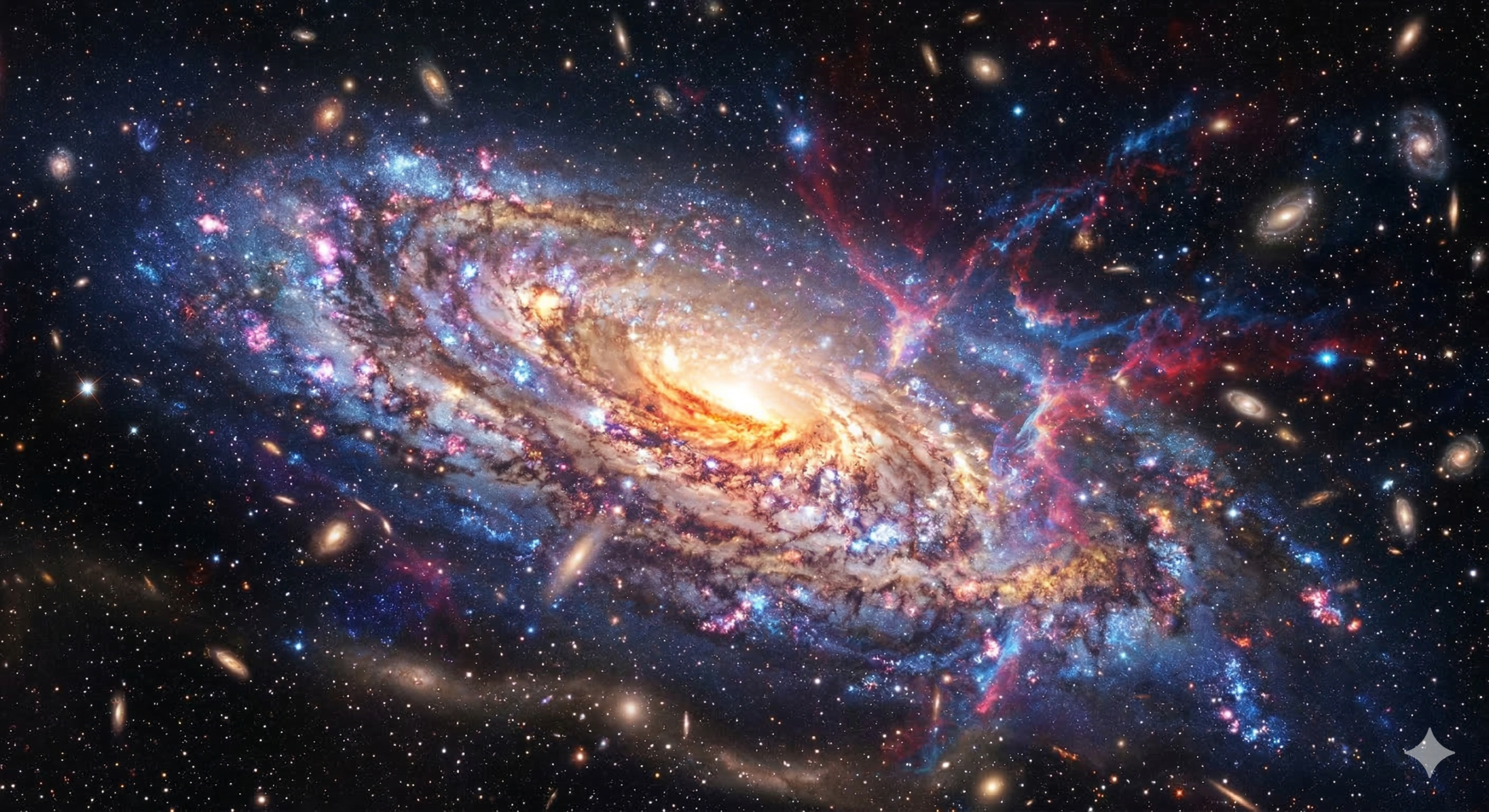
The first thing that has to be said plainly is that the universe is not God. It’s not a mind that knows you, a will that governs you, or a holy presence before whom you stand. It’s the created order, and the world God made, not the God who made it.
That distinction matters more than people often realize. Once creation begins taking the place of the Creator, the whole idea begins to collapse under its own confusion. People start speaking as though the universe can hear them, guide them, align events around them, and respond to the emotional tone of their lives. Personal intention and moral significance get assigned to something that has neither.
What is happening, whether people recognize it or not, is an attempt to borrow some of the comforts once associated with God while setting aside His authority, His holiness, and His right to speak.
The heavens can declare His glory. They cannot become Him.
The Longing Beneath the Language
Part of what makes this kind of spirituality persuasive is that it is not built on a foolish desire. In many cases the instinct underneath it points in the right direction.
People sense that life cannot simply be random. They suspect that suffering must carry some meaning, that the turns in a life are not always accidental, and that the course of their story may be shaped by something larger than blind material process. Those instincts are not ridiculous. They often reveal a quiet awareness that reality is bigger than what can be touched or measured.
But instead of moving toward God, many people stop halfway and hand those instincts over to the universe. They still want some sense of providence, but not the God of providence. They want meaning without the One who defines it. They want care without the kind that confronts them.
So they say the universe brought someone into their life, or closed a door, or redirected their path. The language gives them a way to describe order and direction while avoiding the thought that a holy God is actually governing their life. Once that possibility is admitted, the conversation becomes far more serious than most people intend.
Why the Idea Breaks Down
The difficulty with treating the universe this way is that it cannot carry the weight people place on it.
The universe can inspire awe, and its order can leave a person humbled by the scale of creation. But it cannot interpret a human life, define what is good, or explain who a person truly is. Those questions belong to a different kind of authority.
A person may say the universe will work things out, but that immediately raises another question. By what standard would it do that? The universe cannot judge evil, answer injustice, or expose lies. It cannot deal with guilt or explain why the human heart struggles with corruption. And it has nothing meaningful to say about death or what lies beyond it.
Once those questions enter the conversation, the framework begins to feel thin.
What many people actually want is not the universe itself, but God with certain qualities removed. They want transcendence without holiness and care without authority. They want mystery, but not judgment, and meaning that does not require repentance. When those things are stripped away, however, what remains is no longer God. It is simply a spiritual emptiness described in softer language.
The Deeper Human Problem
This matters because human beings do not only need comfort. They need rescue.
People long for stability when life becomes painful, but the human problem goes deeper than emotional distress. There is the reality of sin, the weight of guilt, and the broken relationship between humanity and the God who made them. The language of the universe cannot address any of that.
It cannot explain why the world is morally fractured. It cannot speak honestly about evil or restore a troubled conscience. The universe cannot forgive sin or bring a person back into fellowship with the God they have resisted.
At most it offers a kind of spiritual atmosphere. It cannot offer redemption.
That is why this language, however warm it may sound, is too small for the real crisis of the human soul. It may soothe someone briefly, but the deeper problem remains untouched.
Creation Was Never Meant to Be Worshiped
The Christian view is not that the world is meaningless. Creation is full of beauty, complexity, and wonder. A night sky can stir humility. A mountain range can leave a person silent for a moment. The rhythm of the sea or the intricate design of living things can awaken a sense that reality is richer than we first assumed.
But what these experiences are meant to awaken is not devotion to creation itself. They are meant to direct attention beyond it.
The world is not there to absorb our worship as though it were divine. It is there to point beyond itself. A sunset may awaken gratitude, and the stars may remind a person how small they are within a vast universe. Those experiences can carry real significance, but they function as signs rather than destinations.
When someone stops at the sign and begins treating creation itself as ultimate, the result is a refined form of idolatry. It may look more modern than the worship practices of ancient cultures, but the root problem is the same. The created thing quietly replaces the One who made it.
Why This Matters More Than It Seems
At first glance the issue may appear small. Someone says “the universe” instead of “God,” and the difference can seem mostly linguistic. Yet words shape belief, and belief eventually shapes worship.
If someone continues speaking as though the universe is personal, wise, and spiritually responsive, they slowly train themselves to look to creation for what only God can provide. Over time that habit forms its own kind of spirituality.
False spiritualities rarely appear threatening at first. Many of them feel gentle, thoughtful, and emotionally aware. They promise openness without demanding submission. But a false god, no matter how mild it appears, still leaves a person separated from the real one.
The Real Issue
The issue is not whether the universe is astonishing. It is. The scale and complexity of creation can leave anyone with a sense of wonder. Nor is the question whether people long for meaning and direction in their lives. That longing says something important about human nature.
The deeper question is whether creation can take the place of the Creator.
It cannot.
The universe did not make you and does not know you. It cannot forgive you, judge you with righteousness, or rescue you with mercy. It cannot tell you the truth about your sin, your life, or your death.
It can, however, leave a person feeling spiritual while remaining distant from the God who actually made heaven and earth.
That is why the universe is not God. And a smaller god, however emotionally convenient it may be, will never help a person in the way they truly need.